Jacksonville vs Orlando
Moving to Florida? Learn how the Jacksonville and Orlando areas compare.
Jacksonville and Orlando are both popular destinations for persons moving to Florida, but what exactly does each metro area offer its residents, and why are people choosing to move to them? If you’ve been thinking about relocating to Florida, this page will help to give you a top-level overview of what Jacksonville and Orlando offer as we compare and contrast them.Key Takeaway Comparisons:
| Feature | Jacksonville Area (Atlantic Coast) | Orlando Area (Central Florida) |
|---|---|---|
| Geography | Coastal. Borders the Atlantic Ocean, features 22 miles of beautiful sandy beaches (ie. Jacksonville Beach) and over 1,100 miles of coastline from rivers and waterways. | Land-locked. Features many beautiful lakes, natural springs, and wetland areas. The closest beach (Cocoa Beach on the East Coast) is about a 1-hour drive. |
| Size & Population (Metro Area) | Smaller. The 4th largest metro area in Florida, with a population of 1.76 million people. | Larger. The 3rd largest metro area in Florida, with a population of 2.9 million people. |
| Median Home Price | Mid-to-Upper $200s Range. (ie. Jacksonville, Duvall County) | Mid-to-Upper $300s Range. (ie. Orlando, Sanford) |
| Cost of Living | Similar to Orlando. Very similar to Orlando, with minimal variance, and slightly above the national average | Similar to Jacksonville. Very similar to Jacksonville, with minimal variance, and slightly above the national average. |
| Economy & Demographics | Young Demographic. Average age is 36.3 years. Strong employment in healthcare, transportation & logistics and finance. | Young Demographic. Average age is 34.7 years. Strong employment due to numerous colleges and universities, and large employers. |
| Primary Attractions | Beach & River Focus. Being a coastal riverfront town, major attractions include beaches, boating, kayaking and nature trails/parks. | Theme Park Focus. Home to more than a dozen major theme parks, including Walt Disney World, Universal Orlando, and SeaWorld. Also features professional sports (Magic/NBA, Orlando City Soccer). |
Size & Geography
As the Jacksonville and Orlando metro areas are some of the largest in Florida, ranking as the 4th and 3rd largest metro areas respectively, the Jacksonville metro area is nearly 40% smaller by population size (1.76 million people) as compared to the Orlando metro area (2.9 million people) according to U.S. census data (2025). Also, as Jacksonville is the largest U.S. city by land size in the contiguous 48 states, at 874 square miles, it has a much lower population density than the Orlando area.The geography of these two areas is also quite different. The Jacksonville area borders the Atlantic Ocean and offers 22 miles of beautiful sandy beaches. With its many rivers and waterways, Jacksonville is home to approximately 1,100 miles of coastline, more than any other Florida city. Conversely, the greater Orlando area is land-locked, but does offer many beautiful lakes, both natural and man-made, as well as many wetland areas and natural springs to enjoy outdoor watersport activities.
Home Prices & Cost of Living
Median home prices, which includes both single family homes and condos/townhomes, are generally lower (roughly $100K less) in the Jacksonville metro area as compared to the Orlando metro area. See actual median home prices listed further down this page. While home prices vary based upon location and specific views such as ocean, river, lake and/or golf course, each of these areas offers many high-end luxury communities at considerably higher price points. In terms of the cost of living in Jacksonville vs. Orlando, which includes one’s monthly expenses such as utilities, food, transportation, healthcare and taxes, they are relatively similar with minimal variances. As compared to other states, Florida’s overall cost of living is 0.8% above the nation’s average for 2026 (quarter 2 data).Activities & Things to Do
As Jacksonville and Orlando are both large metropolitan areas, they both come with large-scale attractions including professional sports teams, many tourist attractions, historical museums and science centers, outdoor wildlife parks and a city zoo. The Jacksonville area, in addition to featuring four main beaches, is also known for its vast urban park system (with 400+ parks) and is the home of the Jacksonville Jaguars (NFL). Similarly, the Orlando area features many amusement parks including Walt Disney World, Universal Orlando, SeaWorld, professional sports teams including the Orlando Magic (NBA) and Orlando City Soccer and many museums, art galleries and wildlife attractions to check out. Both regions also feature a full calendar of year-round activities including music festivals, food and wine festivals, cultural-themed festivals, outdoor expos, auto shows, craft and art shows, and county fairs just to name a few!Now that we have overviewed some of the main similarities and differences between these two metro areas, be sure to check out our Jacksonville and Orlando area pages to view more photos, interactive maps and helpful relocation information for each respective region.
Map of the Jacksonville and Orlando Areas
Circles on map represent population size of each metro area.
Jacksonville
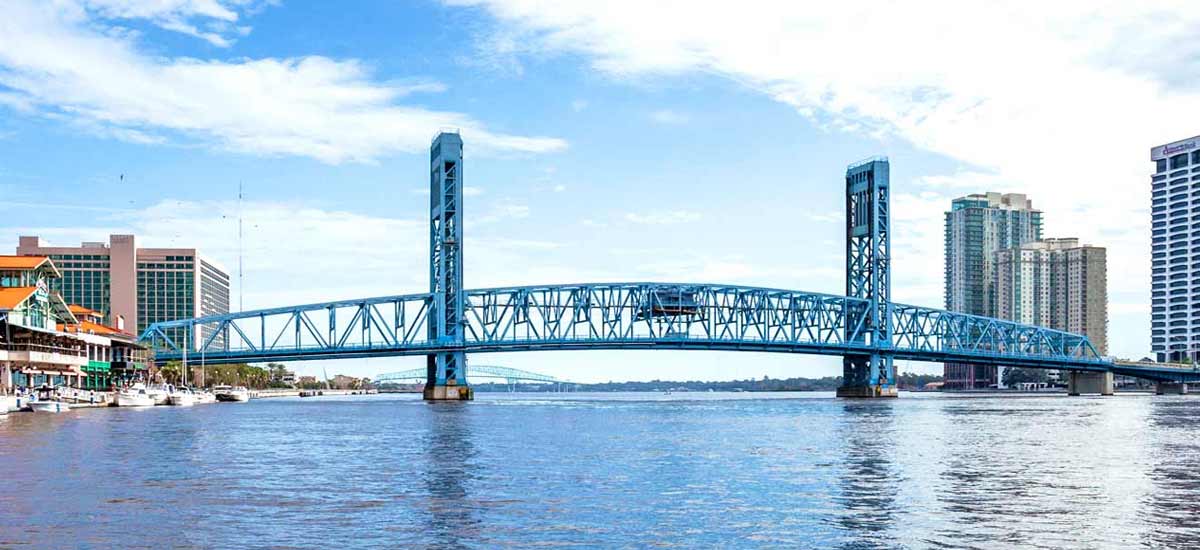
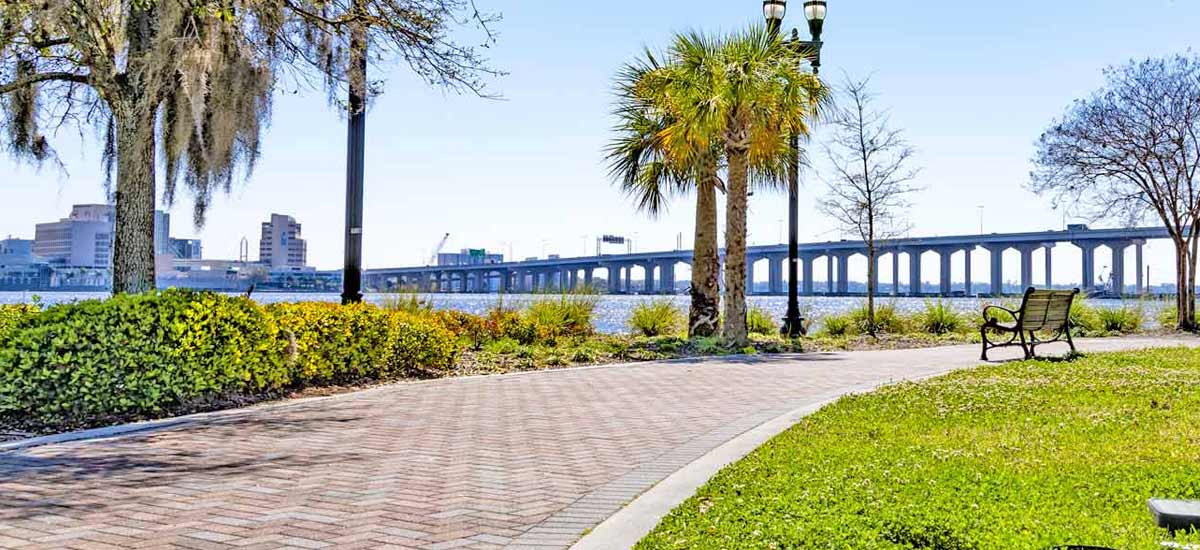
The City of Jacksonville is home to a deep-water sea port, military bases, professional sports teams, local beaches, a strong business climate and a healthy real estate market. Spanning over 22 miles of sandy beaches along the Atlantic coast, the greater Jacksonville area (located in Florida’s First Coast) comprises five counties including Duval, St. Johns, Clay, Nassau, and Baker. As Florida’s largest city by overall population and land area (874 square miles), the greater Jacksonville area is home to a population of just over 1.76 million people. The average year-round temperature in Jacksonville is 70' allowing residents to experience more seasonal weather changes, including seeing rare snowflakes when cold winter fronts move deep into the south.Area Beaches:
Jacksonville Beach, Neptune Beach, Mayport Beach, Atlantic Beach
Top master-planned communities:
Rivertown (St. Johns), Nocatee (Ponte Vedra), Silverleaf (St Augustine)
| City | Median Home Price | Average Age |
|---|---|---|
| Jacksonville | $285,103 | 36.3 |
| Duvall County | $294,579 | 37.4 |
| St Johns County | $488,938 | 44.2 |



Orlando / Central Florida
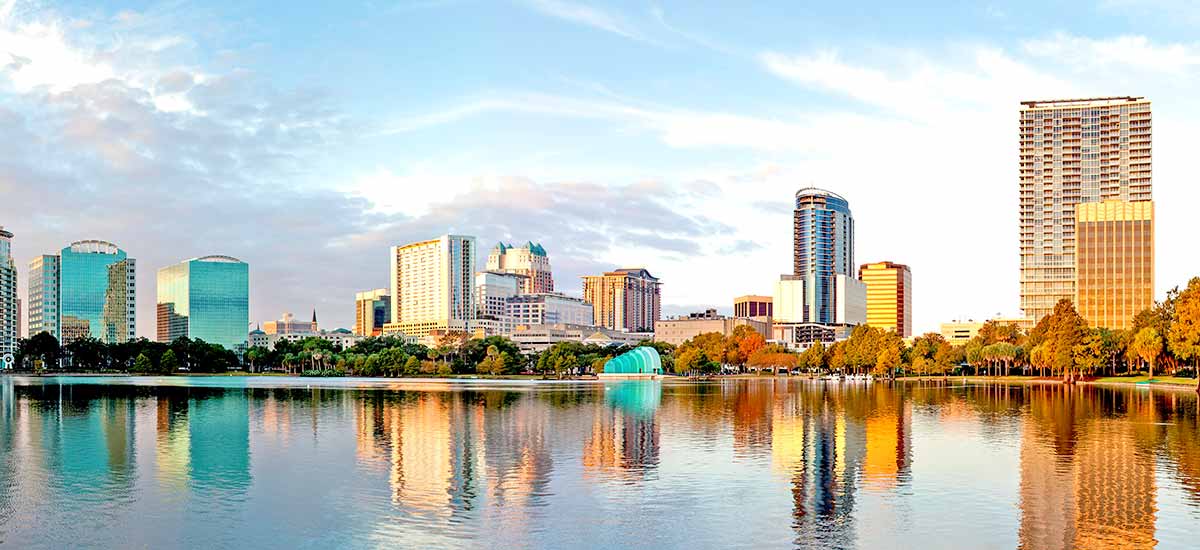
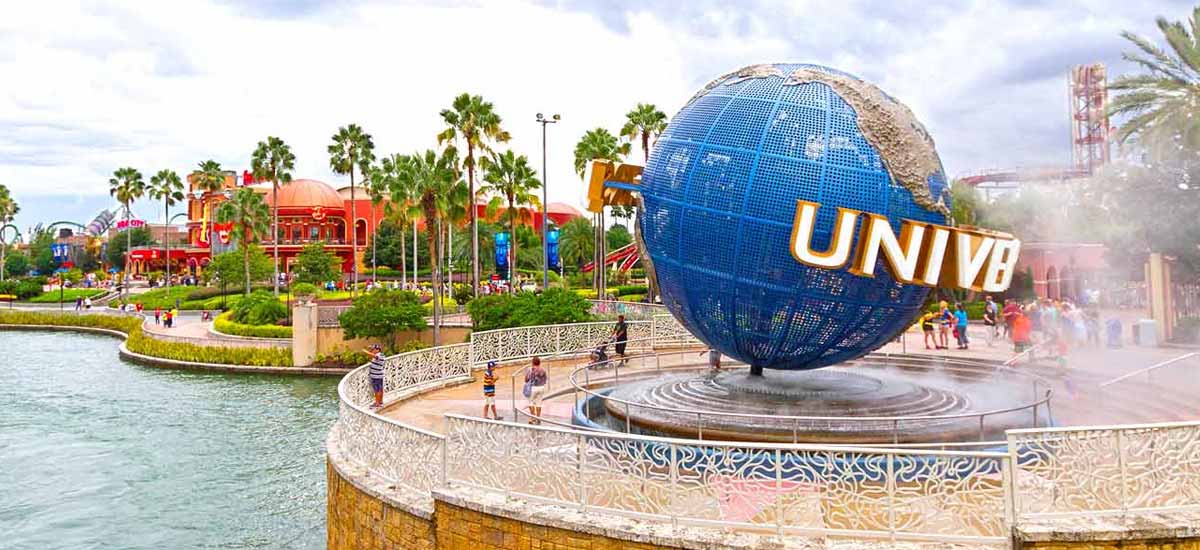
The greater Orlando area, which comprises the principal cities of Orlando, Sanford and Kissimmee, is the third largest metropolitan area in the state of Florida with a total population of nearly 2.8 million people. Averaging 233 sunny days per year, the Orlando area is home to more than a dozen theme parks including Walt Disney World, Universal Orlando, SeaWorld and LEGOLand. Full-time residents of central Florida enjoy an average year-round temperature of 73’ degrees which is perfect for a wide variety of outdoor activities including fitness, exploring theme parks or attending popular music and craft festivals.Closest Beach:
Cocoa Beach (1 hour drive)
Top master-planned community:
Lake Nona
| City | Median Home Price | Average Age |
|---|---|---|
| Orlando | $371,102 | 34.7 |
| Sanford | $340,196 | 35.6 |
| Kissimmee | $355,971 | 35.7 |